
Table of Contents
ToggleDIY projects have become a popular way for people to create, repair, and improve items on their own. The term “DIY” stands for “do-it-yourself,” and it describes any activity where individuals complete tasks without professional help. From building furniture to crafting home decor, DIY projects offer a hands-on approach to making things happen. This guide explains what DIY projects are, why they matter, and how anyone can start their first project today.
Key Takeaways
- DIY projects are hands-on activities where individuals complete tasks like home repairs, furniture building, and crafts without hiring professionals.
- Taking on DIY projects saves money, builds valuable skills, and delivers a sense of accomplishment that store-bought items can’t match.
- Popular DIY project categories include home improvement, furniture building, crafts and decor, gardening, tech modifications, and upcycling.
- Beginners should start with simple DIY projects that match their current skill level and research thoroughly before purchasing materials.
- A basic toolkit with essentials like a measuring tape, hammer, screwdriver set, and safety gear is all you need to get started.
- Online tutorials, step-by-step guides, and community forums make learning DIY projects more accessible than ever.
Understanding DIY Projects
DIY projects cover a wide range of activities where individuals take matters into their own hands. These projects can include home repairs, craft creations, furniture building, gardening improvements, and electronic modifications. The core idea behind DIY projects is self-reliance, completing tasks that might otherwise require hiring a professional.
People tackle DIY projects for many reasons. Some want to save money on labor costs. Others enjoy the creative process and the satisfaction of building something from scratch. Many find that DIY projects serve as a productive hobby that keeps them engaged and learning new skills.
The scope of DIY projects varies greatly. A simple project might involve painting a room or assembling a bookshelf. A complex project could mean renovating a bathroom or building a deck. What connects all DIY projects is the personal involvement and hands-on work that goes into them.
Online resources have made DIY projects more accessible than ever. Video tutorials, step-by-step guides, and community forums provide instruction for projects at every skill level. This information helps beginners gain confidence and allows experienced DIYers to tackle bigger challenges.
Benefits of Taking on DIY Projects
Taking on DIY projects delivers several practical and personal benefits. First, there’s the financial advantage. Hiring professionals for home repairs or custom furniture can cost hundreds or thousands of dollars. Completing these same tasks through DIY projects often costs a fraction of that amount.
DIY projects also build valuable skills. Each completed project teaches something new, whether it’s basic carpentry, electrical work, sewing, or painting techniques. These skills transfer to future projects and can even increase a person’s value in the job market.
The satisfaction factor shouldn’t be underestimated. Finishing a DIY project creates a sense of accomplishment that buying something pre-made simply can’t match. Looking at a piece of furniture and knowing “I built that” provides genuine pride.
DIY projects also allow for complete customization. Store-bought items come in limited sizes, colors, and styles. But when someone creates their own piece through DIY projects, they control every detail. This means perfect fits for awkward spaces and colors that match existing decor exactly.
Finally, DIY projects can reduce waste. Repurposing old furniture, fixing broken appliances, and upcycling materials keeps items out of landfills. Many DIY enthusiasts specifically choose projects that give new life to discarded items.
Popular Types of DIY Projects
DIY projects span numerous categories, each appealing to different interests and skill levels.
Home Improvement DIY Projects
These include painting rooms, installing shelving, updating fixtures, and making minor repairs. Home improvement DIY projects remain the most common type because homeowners constantly need maintenance and updates.
Furniture DIY Projects
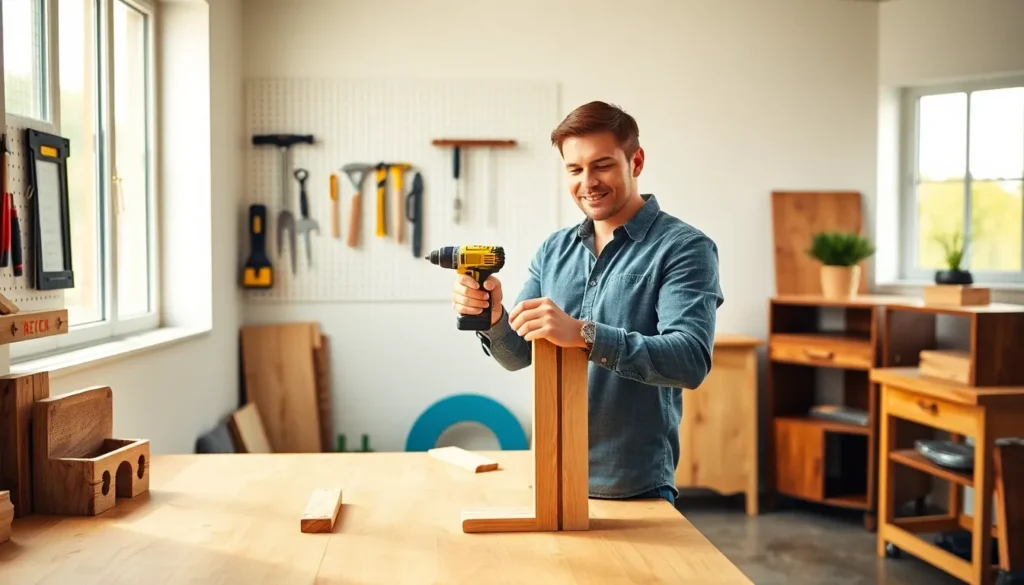
Building tables, chairs, shelves, and storage units falls into this category. Furniture DIY projects range from simple assembly to complex woodworking. Many beginners start with pallet projects or basic wooden frames.
Craft and Decor DIY Projects
This category covers handmade decorations, artwork, candles, soaps, and textile crafts. Craft DIY projects often require minimal tools and work well for those who prefer smaller-scale creative work.
Garden DIY Projects
Raised garden beds, planters, trellises, and outdoor furniture fit here. Garden DIY projects combine construction skills with outdoor aesthetics.
Tech DIY Projects
Building computers, creating smart home devices, and repairing electronics represent the technical side. These DIY projects attract those with an interest in technology and problem-solving.
Upcycling DIY Projects
Transforming old or discarded items into something new defines upcycling. This type of DIY project appeals to environmentally conscious creators and those who enjoy finding potential in unexpected materials.
How to Get Started With Your First DIY Project
Starting a first DIY project doesn’t require expertise, just willingness to learn and a bit of planning. Begin by choosing a project that matches current skill levels. Attempting something too ambitious too soon leads to frustration. A simple project completed well builds confidence for bigger challenges.
Research the chosen project thoroughly before buying materials. Watch multiple tutorials, read guides, and understand the full process from start to finish. This preparation prevents costly mistakes and wasted materials.
Set a realistic budget and timeline. First-time DIY projects often take longer than expected, and that’s perfectly normal. Building in extra time reduces stress and allows for learning along the way.
Don’t hesitate to ask for help. Hardware store employees, online communities, and experienced friends can offer valuable guidance. Many DIY enthusiasts enjoy sharing their knowledge with newcomers.
Essential Tools and Materials for Beginners
Every DIY beginner needs a basic toolkit. Start with these essentials:
- Measuring tape – Accurate measurements prevent errors
- Hammer – Useful for countless projects
- Screwdriver set – Both flathead and Phillips varieties
- Adjustable wrench – Handles various bolt sizes
- Level – Ensures straight installations
- Utility knife – Cuts materials safely
- Safety glasses – Protects eyes during any project
- Work gloves – Shields hands from splinters and cuts
Build this collection gradually. As DIY projects become more frequent, add power tools like drills, sanders, and saws. Quality matters, cheap tools break quickly and make projects harder than necessary.


