
Table of Contents
ToggleLearning how to DIY projects saves money and builds practical skills. Many beginners feel unsure about where to start or what tools they need. This guide breaks down everything from choosing the right project to avoiding common mistakes. Whether someone wants to build a bookshelf or refinish furniture, the same core principles apply. The key is starting with manageable tasks and building confidence over time. By the end of this article, readers will have a clear roadmap for their first DIY project.
Key Takeaways
- Start with beginner-friendly DIY projects like painting, installing shelves, or building simple wooden items to build confidence and skills.
- Invest in essential tools like a tape measure, cordless drill, and quality hand tools to make your DIY projects easier and safer.
- Always plan your project in detail—list steps, gather all materials beforehand, and add 10-15% extra supplies for mistakes.
- Follow the “measure twice, cut once” rule to avoid wasting materials and money on cutting errors.
- Never skip safety precautions: wear safety glasses, gloves, and ear protection when working with power tools.
- Respect drying and curing times—rushing through DIY projects leads to weak joints and poor finishes.
Choosing the Right DIY Project for Your Skill Level
The biggest mistake beginners make is picking a project that’s too advanced. A first-timer shouldn’t attempt to build a deck or install electrical wiring. Instead, start small.
Beginner-friendly DIY projects include:
- Painting a room or furniture piece
- Installing floating shelves
- Building a simple wooden box or planter
- Replacing cabinet hardware
- Creating a basic picture frame
These projects teach fundamental skills like measuring, cutting, and finishing. They also require minimal tools and materials.
How to Assess Project Difficulty
Before committing to any DIY project, ask these questions:
- How many steps are involved? More steps usually mean more complexity.
- What tools does it require? If the tool list includes items you’ve never used, that’s a warning sign.
- What’s the time commitment? Beginners should stick to projects they can finish in a day or weekend.
- What happens if something goes wrong? A botched paint job is fixable. A structural mistake isn’t.
Honesty matters here. It’s better to complete a simple project well than abandon a complex one halfway through. Success builds momentum, and that momentum carries forward to bigger DIY projects later.
Essential Tools and Materials Every DIYer Needs
Good tools make DIY projects easier and safer. Beginners don’t need to buy everything at once, but certain items belong in every toolkit.
Must-Have Hand Tools
- Tape measure – Accuracy starts here. Get a 25-foot tape with clear markings.
- Hammer – A 16-ounce claw hammer handles most tasks.
- Screwdriver set – Both flathead and Phillips varieties.
- Utility knife – Useful for cutting, scoring, and opening packages.
- Level – Essential for hanging anything straight.
- Adjustable wrench – Works on various bolt sizes.
- Pliers – Needle-nose and standard versions cover most needs.
Power Tools Worth the Investment
Power tools speed up DIY projects significantly. These three offer the best value for beginners:
- Cordless drill – The most versatile power tool. Use it for drilling holes and driving screws.
- Circular saw – Cuts lumber quickly and accurately.
- Random orbital sander – Makes finishing work much faster.
Buy quality tools when possible. Cheap tools break, slip, or produce poor results. That said, mid-range brands often perform nearly as well as premium options. Look for warranties and read reviews before purchasing.
Materials and Supplies
Beyond tools, stock these supplies:
- Safety glasses and work gloves
- Sandpaper in various grits
- Wood glue
- Painter’s tape
- A variety of screws and nails
- Pencils for marking
Organization matters too. A simple toolbox or pegboard keeps everything accessible and prevents lost time searching for items mid-project.
Planning Your Project From Start to Finish
Poor planning causes most DIY project failures. Taking time upfront prevents frustration later.
Create a Detailed Plan
Every DIY project needs a roadmap. Write down:
- The exact steps in order
- Materials and quantities needed
- Tools required for each step
- Estimated time for completion
Sketch designs if building something. They don’t need to be professional, rough drawings help visualize the final product and catch problems early.
Measure Twice, Cut Once
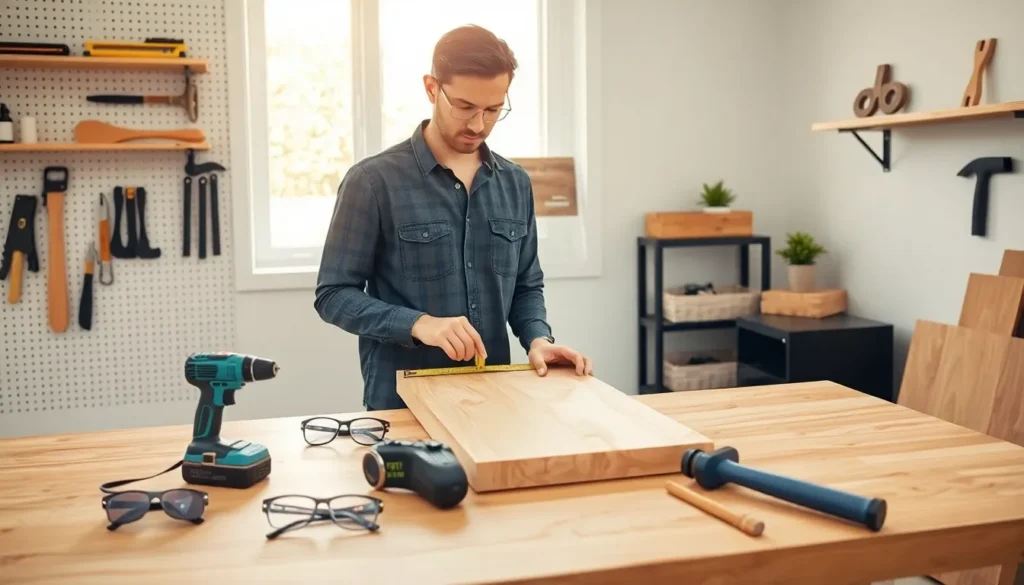
This old saying exists because it’s true. Double-check every measurement. Write them down. Cutting errors waste materials and money.
For complex DIY projects, create a cut list. This document shows every piece of material needed, its dimensions, and how it fits into the overall design.
Gather Everything First
Nothing kills momentum like stopping mid-project for a hardware store run. Gather all materials and tools before starting. Lay them out and confirm nothing is missing.
Pro tip: buy 10-15% extra materials. Mistakes happen, and having spare wood or paint saves emergency trips.
Set Realistic Timelines
DIY projects almost always take longer than expected. Add buffer time. If a project seems like a 4-hour job, plan for 6 hours. This prevents rushing, which leads to errors.
Common DIY Mistakes and How to Avoid Them
Even experienced DIYers make errors. Knowing common pitfalls helps beginners avoid them.
Skipping Safety Precautions
Safety glasses, gloves, and ear protection exist for good reasons. Flying debris, sharp edges, and loud power tools cause real injuries. Never skip safety gear to save time.
Work in ventilated areas when using paints, stains, or adhesives. Keep first aid supplies nearby.
Using Wrong or Dull Tools
Dull saw blades tear wood instead of cutting it cleanly. Wrong-sized drill bits strip screws. The right tool in good condition produces better results with less effort.
Sharpen or replace blades regularly. Match drill bits to screw sizes exactly.
Ignoring Instructions
Manufacturer instructions aren’t suggestions. They contain important details about drying times, load capacities, and proper installation methods. Read them fully before starting any DIY project.
Poor Surface Preparation
Paint peels off dirty or unprimed surfaces. Glue fails on dusty wood. Stain applies unevenly on unsanded lumber. Proper prep takes time but determines whether results last.
Clean surfaces thoroughly. Sand when needed. Apply primer where recommended.
Rushing the Process
Impatience ruins DIY projects. Glue needs time to cure. Paint needs time to dry between coats. Forcing the timeline leads to weak joints, smeared finishes, and visible imperfections.
Respect drying and curing times. They’re part of the process, not optional delays.


