
Table of Contents
ToggleTop minimalist living starts with one simple question: what truly matters? Modern life often buries people under clutter, endless to-do lists, and digital noise. Minimalist living offers a way out. It strips away the unnecessary and leaves room for what actually brings joy.
This approach isn’t about owning nothing. It’s about owning the right things. People who embrace minimalist living report less stress, more savings, and greater focus on their goals. The shift doesn’t happen overnight, but the results speak for themselves.
This guide covers what minimalist living really means, its core benefits, and practical steps anyone can take today. Whether someone wants to clear out a crowded closet or reduce screen time, these tips provide a clear path forward.
Key Takeaways
- Top minimalist living focuses on keeping only items, commitments, and habits that add genuine value to your life.
- Embracing minimalist living can lead to financial freedom, reduced stress, and more time for what truly matters.
- Start small by decluttering one area at a time and use the “one in, one out” rule to prevent future accumulation.
- Minimalist living extends beyond physical possessions—simplify your digital life by deleting unused apps and unsubscribing from unnecessary emails.
- Overcome common challenges like emotional attachment and fear of regret by separating memories from objects and using the 30-day purchase rule.
- Progress matters more than perfection—minimalist living is a journey, not a destination.
What Minimalist Living Really Means
Minimalist living is the intentional choice to live with less. It focuses on keeping only items, commitments, and habits that add value. Everything else gets removed.
Some people confuse minimalist living with extreme deprivation. That’s a myth. A minimalist home can still feel warm and inviting. The difference lies in purpose. Every object serves a function or brings genuine happiness.
At its core, minimalist living prioritizes quality over quantity. Instead of ten mediocre sweaters, a minimalist might own three excellent ones. Instead of five streaming subscriptions, they might keep one they actually use.
This philosophy extends beyond possessions. Minimalist living also applies to time, relationships, and mental energy. It means saying no to obligations that drain without giving back. It means protecting attention from constant distractions.
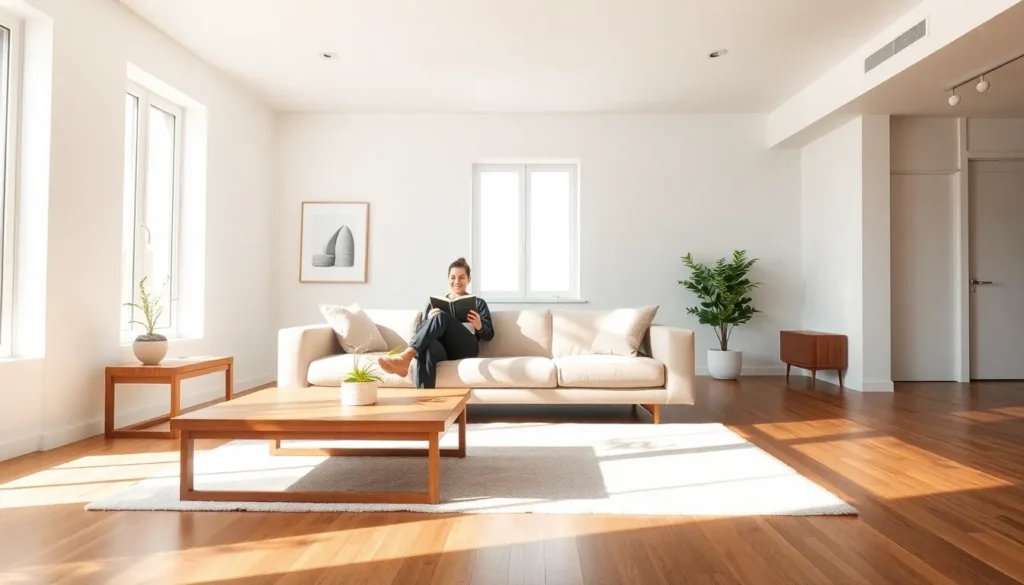
The goal isn’t a bare apartment with white walls (unless that brings someone joy). The goal is freedom, freedom from excess, from decision fatigue, and from the weight of owning things that own you back.
Benefits of Embracing a Minimalist Lifestyle
The benefits of minimalist living touch nearly every area of life. Here are the most significant ones:
Financial Freedom
Minimalist living reduces spending naturally. When someone stops buying items they don’t need, savings grow. Studies show the average American household contains over 300,000 items. Cutting that number drastically cuts expenses on storage, maintenance, and replacement.
Reduced Stress and Anxiety
Clutter affects mental health. Research from Princeton University found that visual clutter competes for attention and reduces working memory. A cleaner space creates a calmer mind. People practicing minimalist living often report feeling lighter and more relaxed at home.
More Time and Energy
Fewer possessions mean less time cleaning, organizing, and searching for lost items. That time gets redirected toward hobbies, relationships, or rest. Minimalist living gives back hours each week.
Environmental Impact
Consuming less means producing less waste. Minimalist living aligns with sustainable practices. Fewer purchases translate to a smaller carbon footprint and reduced demand on manufacturing.
Greater Clarity and Focus
When distractions decrease, priorities become clear. Minimalist living helps people identify what truly matters to them. Decisions become easier because the noise is gone.
Improved Relationships
With less focus on acquiring things, more attention goes toward people. Minimalist living often strengthens connections because time and energy shift toward experiences rather than possessions.
Practical Ways to Start Living Minimally
Starting a minimalist living journey doesn’t require a complete life overhaul. Small, consistent steps work best.
Decluttering Your Physical Space
Begin with one area. A single drawer, a closet shelf, or a bathroom cabinet works well. Trying to tackle an entire house at once leads to burnout.
Use the “one-year rule” as a guide: if something hasn’t been used in twelve months, it probably won’t be used in the next twelve. Donate, sell, or recycle these items.
The “one in, one out” method prevents future accumulation. For every new item that enters the home, one existing item leaves. This habit maintains minimalist living over time.
Sentimental items often prove the hardest. Take photos of meaningful objects before letting them go. The memory stays without the physical clutter.
Storage spaces deserve special attention. Out of sight often means out of mind, and full of forgotten clutter. Empty those boxes in the garage and evaluate each item.
Simplifying Your Digital Life
Physical clutter has a digital twin. Email inboxes overflow. Phone screens hold dozens of unused apps. Desktop folders pile up endlessly.
Start by unsubscribing from email lists that no longer provide value. Tools like Unroll.me can speed this process. A clean inbox reduces daily stress.
Delete apps that haven’t been opened in months. Most phones show usage statistics, let the data guide decisions. Minimalist living applies to digital devices too.
Organize remaining files into clear folders. Delete duplicates and old downloads. A clutter-free computer runs faster and feels less overwhelming.
Consider a digital detox schedule. Setting specific times to check social media prevents endless scrolling. Notifications drain attention: turning off non-essential alerts reclaims focus.
Cloud storage can become another clutter trap. Review saved files quarterly and remove what’s no longer needed.
Common Challenges and How to Overcome Them
Minimalist living sounds simple, but obstacles arise. Knowing these challenges in advance helps people push through.
Emotional Attachment to Objects
Things carry memories. Letting go feels like losing a piece of the past. The solution? Acknowledge the emotion, then separate the memory from the object. A photograph or journal entry preserves the sentiment without the physical item.
Pressure from Others
Family and friends may not understand minimalist living. Some might criticize or question the choice. Setting boundaries helps. Explaining that this lifestyle brings personal happiness usually quiets concerns. Leading by example often converts skeptics over time.
Fear of Regret
What if something is needed later? This fear keeps people holding onto items “just in case.” The reality? Most items can be borrowed, rented, or repurchased if truly needed. That rarely happens. Minimalist living requires accepting some uncertainty.
Lifestyle Creep
Old habits return slowly. A sale here, an impulse buy there, and clutter rebuilds. Combat this with a 30-day rule: wait a month before any non-essential purchase. If the desire fades, the item wasn’t necessary.
All-or-Nothing Thinking
Perfectionism derails progress. No one achieves minimalist living perfectly. Some days will feel cluttered. Some purchases will be regretted. Progress matters more than perfection.


