
Table of Contents
ToggleMinimalist living trends 2026 are shaping up to redefine how people think about space, stuff, and simplicity. The movement has grown beyond empty rooms and neutral palettes. It now touches digital habits, environmental choices, and mental wellness. As more people question overconsumption, the appeal of owning less continues to rise. This article explores the key minimalist living trends 2026 will bring, from tech detoxes to micro-apartments, and what they mean for everyday life.
Key Takeaways
- Minimalist living trends 2026 emphasize digital decluttering, including limiting screen time, deleting unused apps, and creating tech-free zones at home.
- Sustainable minimalism is gaining momentum as consumers prioritize secondhand shopping, durable goods, and zero-waste practices to reduce their environmental footprint.
- Micro-apartments and tiny homes are becoming popular solutions to rising housing costs, featuring multi-functional furniture and intentional design.
- Minimalist wellness focuses on simple, sustainable habits like walking, basic exercises, and streamlined meal planning instead of complicated routines.
- Intentional living is at the core of minimalist living trends 2026, encouraging people to evaluate whether possessions, habits, and relationships truly add value to their lives.
- Choosing less offers a sense of control and empowerment in an overwhelming world, making minimalism as much about mental clarity as physical space.
Digital Minimalism Takes Center Stage
Screens dominate modern life. The average adult spends over seven hours a day on digital devices, according to recent studies. In 2026, minimalist living trends will prioritize digital decluttering as much as physical decluttering.
Digital minimalism means being intentional about technology use. It involves cutting unnecessary apps, limiting screen time, and reducing online noise. People are deleting social media accounts they don’t use. They’re turning off push notifications. They’re scheduling “phone-free” hours each day.
This shift isn’t about rejecting technology. It’s about using it purposefully. Cal Newport, author of Digital Minimalism, describes the practice as focusing on tools that support your values while ignoring the rest. That philosophy will gain momentum in 2026.
Several factors are driving this trend. Mental health concerns linked to social media overuse have become impossible to ignore. Studies connect heavy phone use with anxiety, poor sleep, and reduced attention spans. Employers and schools are also pushing back against constant connectivity.
Practical steps are emerging. People are buying “dumb phones” for weekend use. Others are setting up home offices without personal devices. Some families are creating tech-free zones in their living spaces. These choices reflect a broader shift toward intentional consumption, one of the defining features of minimalist living trends 2026 will showcase.
The digital detox market is responding. Apps that track and limit screen time are more popular than ever. Companies now offer retreats focused entirely on unplugging. Even major tech firms are building features that encourage users to step away.
Sustainable and Eco-Conscious Minimalism
Minimalist living and sustainability have always overlapped. But in 2026, that connection is getting stronger.
Owning less means consuming less. Consuming less means producing less waste. This logic appeals to environmentally aware consumers. Minimalist living trends 2026 will lean heavily into eco-conscious choices.
Secondhand shopping is booming. Thrift stores, consignment shops, and resale apps like Depop and Poshmark are seeing record growth. Buying used items reduces demand for new production, and it often costs less. For minimalists, it’s a win on multiple fronts.
Material choices are evolving too. Consumers are favoring durable goods over disposable ones. They’re choosing furniture made from reclaimed wood. They’re buying clothes from brands that prioritize ethical sourcing. Quality over quantity is the guiding principle.
Zero-waste practices are becoming mainstream. More households are composting food scraps. Reusable containers have replaced single-use plastics in many kitchens. Package-free grocery stores are opening in cities around the world.
This eco-minimalism isn’t just personal, it’s political. Consumers are demanding transparency from brands. They want to know where products come from and how they’re made. Companies that can’t answer those questions are losing market share.
The housing sector is also shifting. Builders are constructing smaller, energy-efficient homes with sustainable materials. Solar panels and rainwater collection systems are becoming standard features. Minimalist living trends 2026 will show that less space can mean a smaller environmental footprint.
Functional Micro-Living Spaces
Space is expensive. In major cities, housing costs continue to climb. Many people are responding by embracing smaller living quarters, and making them work.
Micro-apartments, typically under 400 square feet, are growing in popularity. These compact homes force residents to think carefully about what they own. Every item must earn its place.
Designers are rising to the challenge. Furniture that folds, stacks, or transforms is in high demand. Murphy beds that double as desks. Couches with hidden storage. Dining tables that collapse into wall panels. These innovations make small spaces livable, even comfortable.
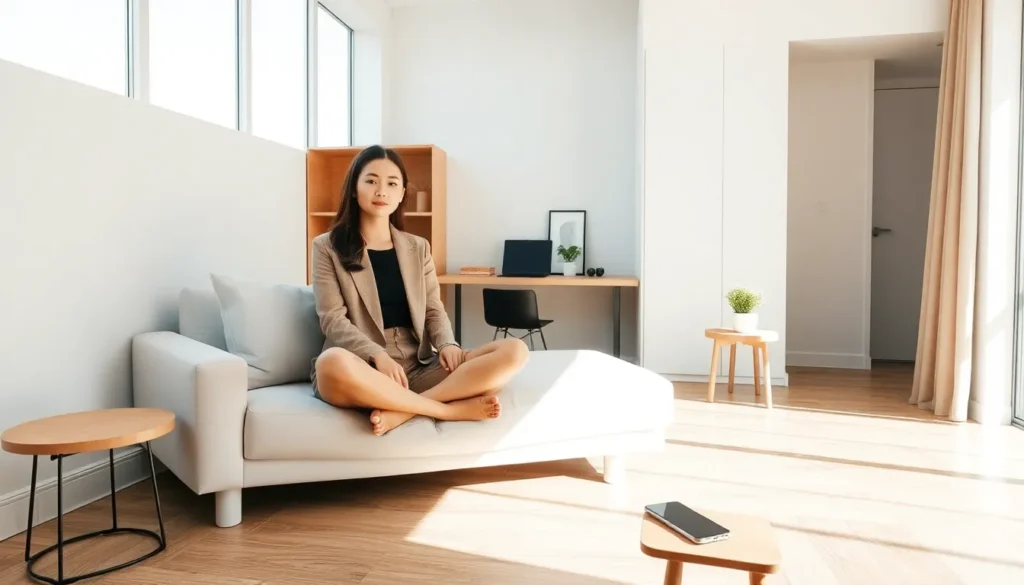
Minimalist living trends 2026 will embrace multi-functional design. Rooms will serve multiple purposes. A living room might become a home office by day and a yoga studio by evening. This flexibility requires fewer possessions and more creativity.
Tiny homes are also gaining traction. These structures, often under 500 square feet, appeal to people seeking freedom from large mortgages. Some are mobile, allowing owners to relocate without selling. Others sit on small plots in intentional communities.
Co-living spaces offer another option. Residents have private bedrooms but share kitchens, living areas, and amenities. This model reduces individual square footage while building community. It’s especially popular among young professionals and remote workers.
The psychology behind micro-living is simple. Smaller spaces mean less to clean, less to maintain, and less to worry about. For many, that trade-off feels liberating.
Minimalist Wellness and Intentional Living
Minimalism is expanding beyond possessions. In 2026, it will increasingly shape how people approach health, relationships, and daily routines.
Minimalist wellness focuses on simplicity. It rejects complicated fitness regimes and expensive supplements. Instead, it favors walking, stretching, and basic strength exercises. The goal is sustainable habits, not short-term transformations.
Meal planning is getting simpler too. People are cooking fewer dishes with better ingredients. They’re reducing food waste by buying only what they need. Batch cooking and meal prepping save time and money.
Intentional living sits at the heart of these minimalist living trends 2026 will highlight. This philosophy asks a straightforward question: Does this add value to my life? If the answer is no, it goes.
Relationships are affected too. Some minimalists are pruning their social circles. They’re spending more time with close friends and less time on superficial connections. Quality matters more than quantity, whether the subject is possessions or people.
Daily routines are becoming more deliberate. Morning rituals might include journaling, meditation, or a quiet cup of coffee. Evening routines might involve reading instead of scrolling. These practices create mental space and reduce stress.
The broader culture is taking notice. Bookstores stock more titles on simple living. Podcasts discuss the benefits of slowing down. Even advertisers are shifting their messaging toward experiences over things.
Minimalist living trends 2026 reflect a deeper desire for control. In an overwhelming world, choosing less feels empowering.


