
Table of Contents
ToggleMinimalist living examples show that owning less can lead to a more fulfilling life. This lifestyle focuses on keeping only what adds value and removing distractions. People across the globe have embraced minimalism in their homes, wardrobes, and daily routines. Some live in tiny homes with fewer than 400 square feet. Others maintain capsule wardrobes with just 30 items. The results often include reduced stress, lower expenses, and more time for meaningful activities. This article explores practical minimalist living examples that anyone can apply. From real homes to daily habits, these examples offer a clear path to simplicity.
Key Takeaways
- Minimalist living examples range from tiny homes under 500 square feet to capsule wardrobes with just 30-40 items.
- Successful minimalists focus on intentionality—every possession, commitment, and activity must earn its place through careful consideration.
- Practical habits like the one-in-one-out rule and 24-48 hour purchase delays help prevent clutter accumulation.
- Digital decluttering, including unsubscribing from emails and deleting unused apps, reduces mental load alongside physical simplification.
- Start your minimalist journey small—tackle one drawer or closet first—to build momentum toward lasting change.
- Minimalism works across all living situations, from Japanese apartments to suburban family homes, proving that owning less leads to more freedom.
What Minimalist Living Looks Like in Practice
Minimalist living looks different for each person, but certain patterns emerge. At its core, minimalism means intentional choices about possessions and time. People who practice this lifestyle tend to own fewer items. They focus on quality over quantity.
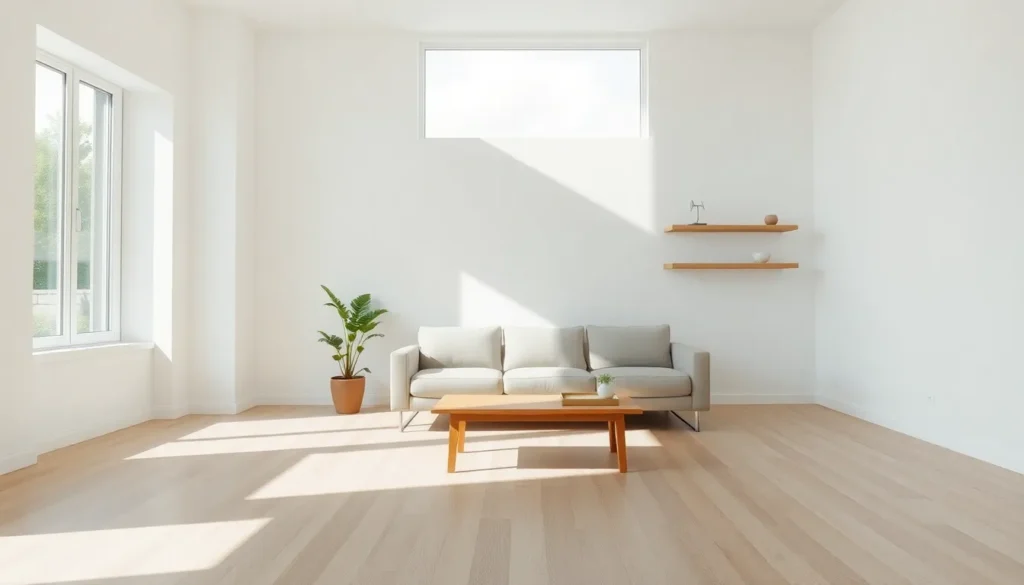
A minimalist home typically features open spaces with limited furniture. Countertops stay clear. Closets contain only essential clothing. Decorations serve a purpose or bring genuine joy. The goal is not an empty space but a functional one.
Minimalist living examples extend beyond physical spaces. Many minimalists limit digital clutter too. They unsubscribe from unnecessary emails. They delete unused apps. They set boundaries around screen time.
Financial minimalism is another common practice. This involves spending on experiences rather than objects. Some minimalists track every purchase. Others simply ask themselves if an item is truly needed before buying.
The practice also affects schedules. Minimalists often say no to obligations that drain energy. They protect their time for activities that matter most to them.
These minimalist living examples share one theme: intentionality. Every item, commitment, and activity earns its place through careful consideration.
Real-World Examples of Minimalist Homes and Spaces
Real minimalist living examples from actual homes provide inspiration. Joshua Becker, author and minimalism advocate, transformed his family home by removing over 70% of their belongings. His home now contains only items the family uses regularly.
Tiny home dwellers represent extreme minimalist living examples. Many live comfortably in spaces under 500 square feet. These homes feature multi-functional furniture. A couch becomes a bed. A dining table folds into the wall. Every inch serves multiple purposes.
Japanese apartments often demonstrate minimalist design principles. The traditional concept of “ma” emphasizes empty space as valuable. Many Japanese minimalists own fewer than 100 total items. Their homes feel calm and uncluttered.
Scandinavian design offers another approach. This style combines functionality with warmth. Minimalist Scandinavian homes use neutral colors, natural materials, and essential furniture only. The result feels simple yet inviting.
Some families practice minimalist living in standard suburban homes. They might designate one room per purpose. They avoid buying duplicate items. Children learn to maintain smaller toy collections.
These minimalist living examples prove that the approach works across cultures, climates, and family sizes. The common factor is a conscious decision to own less.
Minimalist Lifestyle Habits Worth Adopting
Beyond home design, minimalist living examples include daily habits that simplify life.
The One-In-One-Out Rule
This habit maintains balance. For every new item entering the home, one item leaves. A new shirt means donating an old one. This prevents accumulation and forces thoughtful purchases.
Capsule Wardrobes
Many minimalists build capsule wardrobes of 30-40 versatile pieces. These include basics that mix and match easily. The benefits include faster morning routines and reduced decision fatigue.
Digital Decluttering
Minimalist living examples now include digital spaces. People delete old photos, organize files into clear folders, and unsubscribe from marketing emails. A clean inbox reduces mental load.
Meal Planning
Simplified eating saves time and money. Some minimalists prepare the same breakfasts each week. Others batch-cook meals on Sundays. The goal is fewer daily decisions about food.
Scheduled Decluttering Sessions
Regular purging prevents buildup. Many minimalists schedule monthly reviews of their possessions. They ask: “Have I used this recently? Does it add value?” Items that fail the test get donated or recycled.
Mindful Consumption
Before any purchase, minimalists pause. They wait 24-48 hours before buying non-essentials. This delay often reveals that the desire was temporary.
These habits represent practical minimalist living examples that build a simpler lifestyle over time.
How to Start Your Own Minimalist Journey
Starting a minimalist journey does not require dramatic changes. Small steps lead to lasting results.
Begin with one area. A single drawer, shelf, or closet works well. Remove everything and keep only what serves a clear purpose. This small win builds momentum.
Next, identify problem areas. Most people have one category that causes the most clutter. For some, it’s clothing. For others, it’s kitchen gadgets or books. Focus energy there first.
Set clear goals. Some people aim to reduce possessions by 50%. Others target a specific number of items per category. Concrete goals make progress measurable.
Document the process. Before-and-after photos reveal transformation. Many find this documentation motivating. It also provides minimalist living examples for others considering the lifestyle.
Expect resistance. Emotional attachments to objects are normal. Sentimental items often prove hardest to release. Consider photographing meaningful items before donating them.
Find community support. Online groups share minimalist living examples and encouragement. Members offer tips for specific challenges. The shared experience helps during difficult moments.
Be patient. Most successful minimalists took months or years to reach their current state. The goal is progress, not perfection.
Remember that minimalism serves life, not the other way around. The purpose is freedom, not restriction.


