
Table of Contents
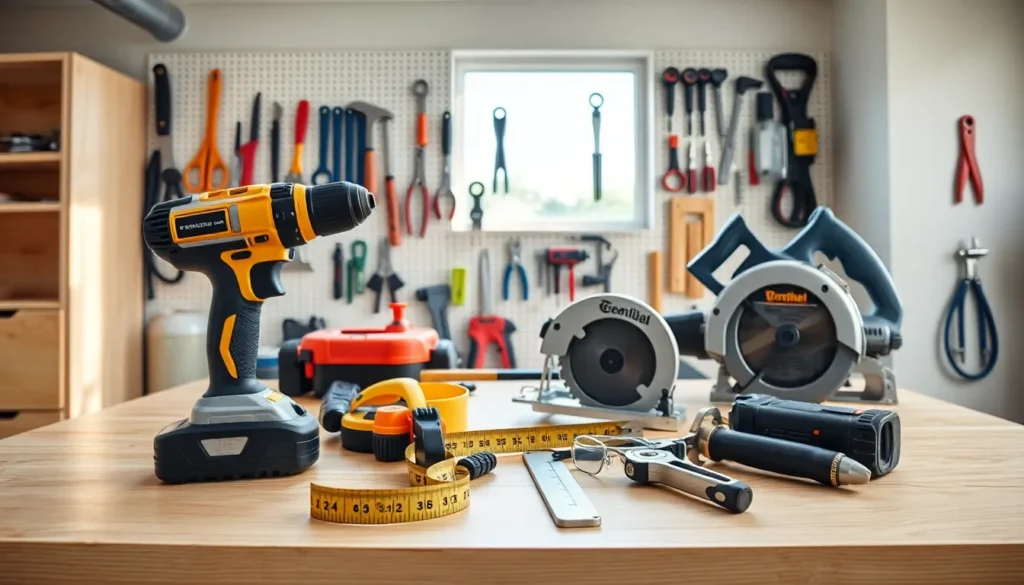
ToggleDIY projects tools make the difference between frustration and satisfaction. Whether someone wants to build a bookshelf, fix a leaky faucet, or tackle a weekend renovation, the right tools turn ambitious ideas into finished products. Beginners often wonder where to start. The good news? A well-chosen collection of DIY projects tools doesn’t require a massive investment or a professional-grade workshop. This guide covers the essential hand tools, power tools, measuring equipment, and safety gear every hobbyist needs to get started, and how to build that collection without very costly.
Key Takeaways
- A solid DIY projects tools collection starts with affordable hand tools like a claw hammer, screwdriver set, pliers, and utility knife.
- A cordless drill/driver is the most essential power tool for DIY enthusiasts and should be your first investment.
- Precision measuring tools like tape measures, combination squares, and levels prevent costly cutting mistakes.
- Safety gear—including safety glasses, hearing protection, and dust masks—is essential, not optional, for every DIY setup.
- Build your DIY projects tools collection gradually by watching for holiday sales, considering refurbished options, and renting specialty tools you’ll rarely use.
- Let your completed projects guide future tool purchases rather than buying everything upfront.
Hand Tools You Can’t Do Without
Hand tools form the foundation of any DIY projects tools collection. They’re affordable, reliable, and don’t need batteries or outlets.
Hammer: A 16-ounce claw hammer handles most household tasks. The curved claw pulls nails, while the head drives them. Look for a fiberglass or steel handle, they last longer than wood.
Screwdrivers: Get a set with both flathead and Phillips head options in multiple sizes. A 6-in-1 screwdriver saves space and covers most needs.
Pliers: Needle-nose pliers grip small objects and reach tight spaces. Slip-joint pliers adjust to fit various sizes of nuts, bolts, and pipes.
Adjustable Wrench: One 8-inch adjustable wrench replaces a whole set of fixed wrenches. It works on plumbing, furniture assembly, and mechanical repairs.
Utility Knife: Sharp blades cut cardboard, drywall, carpet, and packaging. Choose a model with retractable blades and easy blade changes.
Handsaw: A crosscut saw handles basic wood cutting when power tools aren’t practical. It’s quiet, portable, and works anywhere.
These DIY projects tools require no learning curve. Pick them up, and they work. That simplicity makes them indispensable for beginners.
Must-Have Power Tools for DIY Success
Power tools speed up projects and expand what’s possible. They represent a bigger investment, but the time savings pay off quickly.
Cordless Drill/Driver: This is the single most useful power tool for DIY projects tools enthusiasts. It drills holes and drives screws with minimal effort. An 18V or 20V lithium-ion model offers enough power for most tasks. Buy an extra battery, waiting for a recharge slows everything down.
Circular Saw: This tool cuts lumber, plywood, and sheet goods faster than any handsaw. A 7¼-inch blade handles standard building materials. Many DIYers use a circular saw for years before needing a table saw.
Jigsaw: Curved cuts, interior cutouts, and detailed work require a jigsaw. It’s more forgiving than a circular saw and easier to control.
Random Orbital Sander: Hand-sanding takes forever. A random orbital sander smooths wood surfaces in minutes without leaving swirl marks. It’s essential for furniture projects and refinishing work.
Impact Driver: Similar to a drill but with more torque, an impact driver excels at driving long screws and lag bolts. Deck building and heavy assembly become much easier.
Start with the cordless drill. Add other power tools as specific projects demand them. There’s no need to buy everything at once.
Measuring and Marking Tools for Precision
“Measure twice, cut once” exists for a reason. Accurate measurements separate clean results from frustrating mistakes.
Tape Measure: A 25-foot tape measure covers most residential projects. The blade should be at least 1 inch wide so it stays rigid when extended. A magnetic tip helps when measuring metal or working solo.
Combination Square: This tool checks 90-degree and 45-degree angles. It also marks straight lines and measures depths. Every serious DIY projects tools kit needs one.
Level: A 24-inch spirit level ensures shelves, pictures, and cabinets hang straight. A torpedo level (9 inches) fits in tight spaces. Some DIYers add a laser level for longer runs.
Carpenter’s Pencil: Flat sides prevent rolling. The thick lead stays visible on rough lumber. Keep several sharpened and ready.
Speed Square: This triangular tool marks 90-degree cuts instantly. It also works as a saw guide for straight cuts with a circular saw.
Chalk Line: For long, straight lines across floors or walls, nothing beats a chalk line. Snap it, and a perfectly straight reference appears.
Precision tools cost little but prevent expensive errors. They’re among the best investments in any DIY projects tools collection.
Safety Gear and Accessories
Tools build things. Safety gear protects the person using them. Skipping protection saves nothing when an injury happens.
Safety Glasses: Flying debris, sawdust, and metal shavings threaten eyesight. Wear impact-rated safety glasses during any cutting, drilling, or hammering. Over-glasses models fit people who wear prescription lenses.
Hearing Protection: Power tools create damaging noise levels. Foam earplugs work fine. Earmuff-style protectors block more sound and stay in place better.
Work Gloves: Leather gloves protect hands during rough work. Cut-resistant gloves handle sharp materials. Skip gloves around rotating tools, they can catch and pull hands into machinery.
Dust Mask or Respirator: Wood dust, drywall dust, and paint fumes harm lungs over time. N95 masks filter particles. Half-face respirators with replaceable cartridges handle chemical fumes.
First Aid Kit: Cuts, splinters, and minor burns happen. Keep bandages, antiseptic, and burn cream within reach of the work area.
Safety equipment belongs in every DIY projects tools setup from day one. It’s not optional gear, it’s essential gear.
How to Build Your Tool Collection on a Budget
Quality DIY projects tools don’t require a huge budget. Smart shopping and patience build a capable workshop over time.
Start with the basics: Hand tools and one cordless drill handle most beginner projects. Add specialty tools only when a specific project requires them.
Buy quality where it matters: Cheap screwdrivers strip screws. Cheap tape measures give inaccurate readings. Invest in tools used daily. Save money on tools used rarely.
Watch for sales: Home improvement stores run major sales around holidays, Memorial Day, Labor Day, Black Friday. Tool prices drop 20-40% during these events.
Consider refurbished tools: Manufacturer-refurbished power tools often include warranties and cost 30% less than new. They’ve been tested and repaired to factory standards.
Check estate sales and pawn shops: Older hand tools often surpass modern budget options in quality. A well-maintained vintage hammer works perfectly.
Borrow or rent specialty tools: Some tools see use once or twice a year. Renting a tile saw for $50 beats buying one for $300 that collects dust.
Build incrementally: Each completed project teaches what’s needed next. Let experience guide purchases rather than buying everything upfront.
A complete DIY projects tools collection grows over months and years. There’s no rush. Each addition should solve a real problem or open new project possibilities.


