
Table of Contents
ToggleDIY projects tips can transform a weekend idea into a finished piece you’re genuinely proud of. Whether someone wants to build a bookshelf, refinish a table, or tackle a bathroom upgrade, the right approach makes all the difference. Beginners often jump straight into a project with enthusiasm but little preparation. That enthusiasm is great, but a few smart strategies will prevent wasted materials, frustration, and trips back to the hardware store.
This guide covers the essentials every DIY enthusiast needs. From choosing proper tools to knowing when a job requires professional help, these practical tips will save time, money, and headaches.
Key Takeaways
- Invest in quality basic tools like a drill, level, and tape measure to set a strong foundation for any DIY project.
- Plan every project thoroughly by defining scope, listing materials, and building in extra time for drying or unexpected issues.
- Master fundamental skills such as accurate measuring, straight cutting, and proper sanding before tackling complex DIY projects.
- Budget realistically by researching costs upfront and adding 10-15% for unexpected expenses to avoid overspending.
- Prioritize safety by wearing protective gear, reading tool manuals, and maintaining a clean, well-lit workspace.
- Know when to call a professional—electrical, plumbing, and structural work often require licensed experts and permits.
Start With the Right Tools and Materials
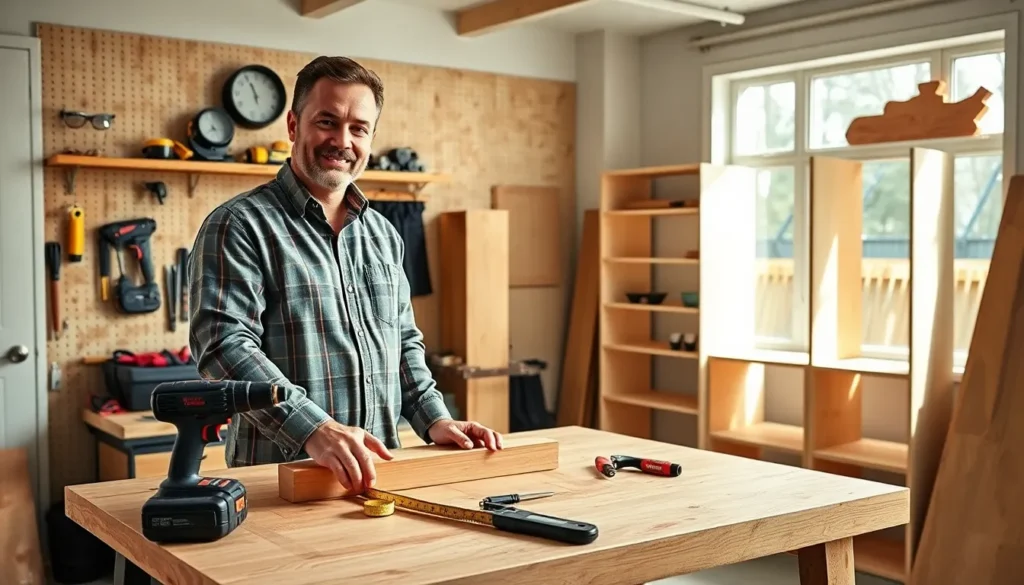
Every successful DIY project starts with the right tools. A hammer, tape measure, level, screwdrivers, and a power drill form the foundation of any home toolkit. These basics handle most common projects. Beginners should invest in quality versions of these essentials rather than cheap sets that break or lose accuracy quickly.
Materials matter just as much as tools. Buying lumber? Check for warping, cracks, and moisture content. Picking paint? Consider the surface type and room conditions. One of the best DIY projects tips is simple: read product labels and specifications before purchasing. That extra five minutes at the store prevents returns and redos.
Storage also deserves attention. Organize tools so they’re easy to find and protected from damage. A pegboard, toolbox, or dedicated shelf keeps everything accessible. Hobbyists who can grab what they need quickly finish projects faster and with less frustration.
Don’t forget safety gear. Safety glasses, work gloves, and hearing protection belong in every toolkit. These items cost little but prevent injuries that could sideline someone for weeks.
Plan Your Project Before You Begin
Excitement often pushes people to start building before they’ve thought things through. Resist that urge. Planning saves time, money, and materials.
First, define the scope. What exactly needs to happen? Write it down. Sketch the finished product or find reference images. Measurements should be precise, the old carpenter’s advice “measure twice, cut once” exists for a reason.
Next, list every material and tool the project requires. Check what’s already available at home. Then create a shopping list for everything else. This prevents multiple store trips and ensures nothing gets forgotten mid-project.
Timelines matter too. How long will each step take? Build in extra time for drying, curing, or unexpected problems. A deck stain needs 24 hours to dry before furniture goes back. Grout needs time to set. Rushing these steps ruins otherwise solid work.
Following DIY projects tips like these separates frustrating experiences from satisfying ones. A well-planned project flows smoothly from start to finish.
Learn Basic Skills and Safety Practices
Skills build over time, but beginners should master a few fundamentals before attempting complex projects. Knowing how to measure accurately, cut straight lines, drill pilot holes, and sand properly covers most basic needs.
YouTube tutorials and community workshops offer excellent free education. Local hardware stores often host classes on specific skills like tiling, painting techniques, or power tool operation. These hands-on sessions provide guidance that videos can’t match.
Safety practices deserve equal attention. Power tools demand respect. Always read the manual before using unfamiliar equipment. Keep fingers away from blades. Unplug tools when changing bits or blades. Wear appropriate protection, sawdust in the eyes isn’t fun.
Work environment matters too. Good lighting prevents mistakes. Adequate ventilation is essential when using paints, stains, or adhesives. A clean workspace reduces tripping hazards and keeps tools from getting lost under debris.
These DIY projects tips might sound basic, but ignoring them leads to injuries and poor results. Smart hobbyists prioritize safety alongside creativity.
Budget Wisely and Avoid Common Mistakes
DIY projects save money, but only when done right. Overspending on materials or fixing avoidable mistakes erases those savings quickly.
Start with a realistic budget. Research material costs before committing to a project. Add 10-15% for unexpected expenses. Something always comes up: a broken drill bit, an extra quart of paint, or a replacement board for the one that split.
Common mistakes drain budgets fast. Here are frequent pitfalls to avoid:
- Skipping prep work. Paint peels off surfaces that weren’t properly cleaned or primed. Take time to prep.
- Ignoring instructions. Whether it’s furniture assembly or mixing concrete, directions exist for good reasons.
- Buying the cheapest option. Low-quality materials often fail. Mid-range products typically offer the best value.
- Overcomplicating designs. Simpler projects finish faster and look cleaner. Beginners should start small.
DIY projects tips from experienced hobbyists consistently emphasize patience. Rushing leads to crooked cuts, uneven finishes, and structures that don’t hold up. Taking time upfront prevents costly corrections later.
Know When to Call a Professional
Not every project belongs in DIY territory. Recognizing limits protects both safety and property.
Electrical work beyond simple outlet replacements requires a licensed electrician. Plumbing that involves main lines or gas connections needs professional attention. Structural changes, removing walls, modifying load-bearing elements, demand engineering expertise.
Permits matter too. Many jurisdictions require permits for electrical, plumbing, and structural work. Unpermitted work can void insurance coverage and create problems when selling a home.
How can someone tell if a project exceeds their skill level? Ask these questions:
- Could mistakes cause injury or property damage?
- Does the project require specialized tools costing hundreds of dollars?
- Are permits or inspections legally required?
- Does the work involve systems (electrical, gas, structural) where errors have serious consequences?
If the answer to any of these is yes, getting a professional quote makes sense. Sometimes the cost difference between DIY and hiring out is smaller than expected. And a professional’s warranty offers peace of mind.
Good DIY projects tips acknowledge that knowing when to step back is itself a skill. There’s no shame in calling an expert for jobs that require one.


