
Table of Contents
ToggleDIY projects for beginners offer a rewarding way to build skills, save money, and create something with your own hands. The satisfaction of completing a handmade project beats buying something off the shelf every time. But where do you start?
This guide breaks down the best DIY projects for beginners, from essential tools to weekend crafts that won’t drain your wallet. Whether someone wants to refresh their home decor, fix up old furniture, or simply try something new, these projects provide the perfect starting point. No experience required.
Key Takeaways
- DIY projects for beginners require only basic tools like a cordless drill, hammer, screwdriver set, and tape measure to get started.
- Home decor projects such as floating shelves, gallery walls, and mason jar organizers deliver fast results with minimal experience.
- Investing in quality tools upfront saves money long-term since cheap tools often break after just a few uses.
- Simple furniture upgrades like repainting a dresser or reupholstering chair seats can dramatically refresh tired pieces without advanced skills.
- Budget-friendly crafts like concrete planters and custom candles cost under $10 and make impressive handmade gifts.
- Start with small afternoon projects, measure twice before cutting, and watch video tutorials to build confidence and avoid common beginner mistakes.
Essential Tools and Materials for Your First DIY Project
Every successful DIY project starts with the right tools. Beginners don’t need a fully stocked workshop, just a few basics will handle most starter projects.
Must-Have Hand Tools:
- Hammer (a 16-oz claw hammer works for most tasks)
- Screwdriver set (both Phillips and flathead)
- Tape measure
- Level
- Utility knife
- Pliers
- Adjustable wrench
Power Tools Worth Investing In:
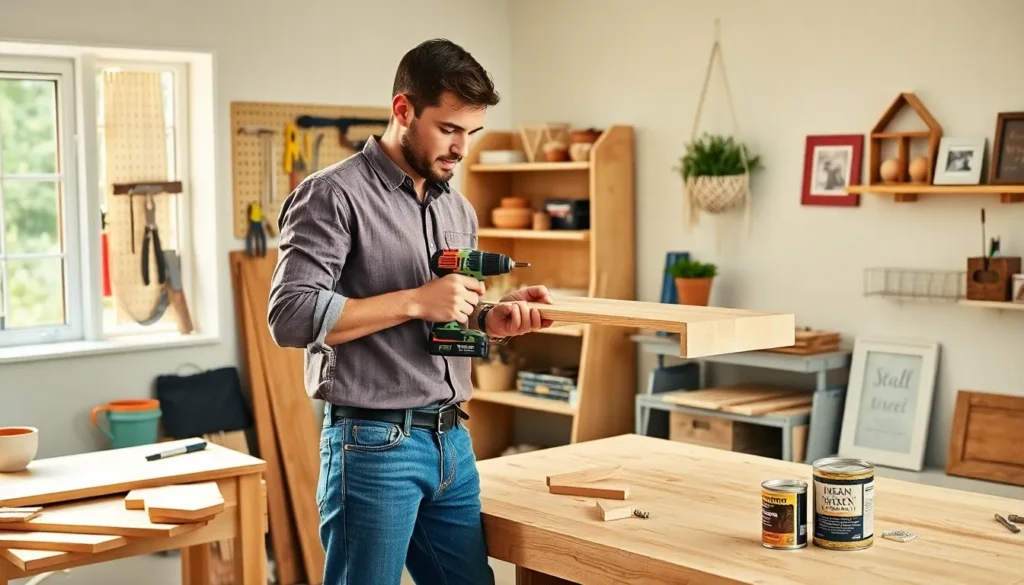
A cordless drill tops the list for DIY projects for beginners. It handles everything from hanging shelves to assembling furniture. A jigsaw comes next, it cuts curves and straight lines in wood, plastic, and thin metal.
Basic Materials to Keep on Hand:
Stock up on wood screws in various sizes, sandpaper (80, 120, and 220 grit), wood glue, painter’s tape, and a drop cloth. These items appear in almost every beginner project.
One tip: buy quality tools over cheap ones. A $30 hammer lasts decades. A $5 hammer breaks on project three. The upfront cost saves money long-term.
Easy Home Decor Projects Anyone Can Make
Home decor projects let beginners see fast results without heavy lifting or complex techniques. These DIY projects for beginners transform a space in an afternoon.
Floating Shelves
Floating shelves look impressive but require only basic skills. Cut a board to size, sand it smooth, apply stain or paint, and mount it with hidden brackets. Three shelves can fill an empty wall in under two hours.
Picture Frame Gallery Wall
Gather mismatched frames from thrift stores. Paint them all the same color for a unified look. Arrange them on the floor first, then transfer the layout to the wall. This project costs under $20 and adds personality to any room.
Mason Jar Organizers
Mason jars mounted to a wood plank create storage for bathrooms, kitchens, or craft rooms. Attach the jar lids to the wood with screws, then twist the jars into place. Fill them with cotton balls, utensils, or paintbrushes.
Fabric-Covered Cork Boards
Wrap cork tiles in fabric, secure it with a staple gun, and hang. These boards serve as bulletin boards, jewelry organizers, or artwork displays. The fabric choice makes each one unique.
Simple Furniture Upgrades and Repairs
Old furniture often needs just a little attention to look new again. These DIY projects for beginners breathe life into tired pieces without requiring advanced woodworking skills.
Repainting a Dresser
Strip the old finish with sandpaper. Apply primer, let it dry, then add two coats of paint. Swap out the hardware for modern knobs or pulls. This single change updates a dated dresser dramatically.
Fixing Wobbly Chair Legs
Loose joints cause most wobbles. Remove the leg, scrape out old glue, apply fresh wood glue, and clamp it tight overnight. For stripped screw holes, insert wooden toothpicks with glue, let dry, then reinsert the screw.
Adding New Table Legs
Hairpin legs attach easily to almost any flat surface. Remove old legs, flip the table, mark new mounting holes, drill pilot holes, and screw in the hairpin legs. This upgrade gives dated tables a mid-century modern look.
Reupholstering Dining Chair Seats
Most dining chairs have seats that pop off with a few screws. Remove the old fabric, cut new fabric two inches larger than the seat, stretch it tight, and staple it to the underside. The whole process takes about 15 minutes per chair.
Budget-Friendly Craft Projects to Try This Weekend
DIY projects for beginners don’t need expensive materials. These crafts use affordable supplies and deliver impressive results.
Concrete Planters
Mix concrete according to package directions. Pour it into plastic containers (use a smaller container inside to create the hollow). Let it cure for 48 hours, then remove the molds. Sand rough edges and add plants. Total cost: under $10.
Macramé Plant Hangers
Macramé uses simple knots repeated in patterns. Cut cotton rope into equal lengths, tie them together at the top, and work basic square knots down the length. Dozens of free tutorials exist online. One plant hanger takes about an hour.
Custom Candles
Melt soy wax flakes in a double boiler. Add fragrance oil and dye if desired. Pour into heat-safe containers with pre-tabbed wicks. These make excellent gifts and cost a fraction of store-bought candles.
Painted Terra Cotta Pots
Terra cotta pots cost a dollar or two each. Paint them with acrylic craft paint in patterns or solid colors. Seal with a clear coat for outdoor use. A set of three takes less than an hour to complete.
Tips for DIY Success as a Beginner
Starting DIY projects for beginners goes smoother with the right approach. These tips prevent common mistakes and build confidence.
Start Small
Pick projects that take an afternoon, not a weekend. Quick wins build momentum. Save the bathroom renovation for year two.
Measure Twice, Cut Once
This old saying exists for a reason. Rushing measurements wastes materials and time. Double-check every number before cutting anything.
Watch Tutorials First
Video tutorials show techniques that written instructions can’t capture. Watch the whole video before starting. Pause and rewatch tricky sections as needed.
Accept Imperfection
First attempts rarely look professional. That’s normal. Each project teaches something new. The fifth bookshelf will look better than the first.
Safety Matters
Wear safety glasses when cutting or drilling. Use hearing protection with loud power tools. Keep fingers away from saw blades. No project is worth an injury.
Clean as You Go
Clutter slows progress and causes accidents. Put tools back after using them. Sweep up sawdust regularly. A clean workspace makes better work.


